
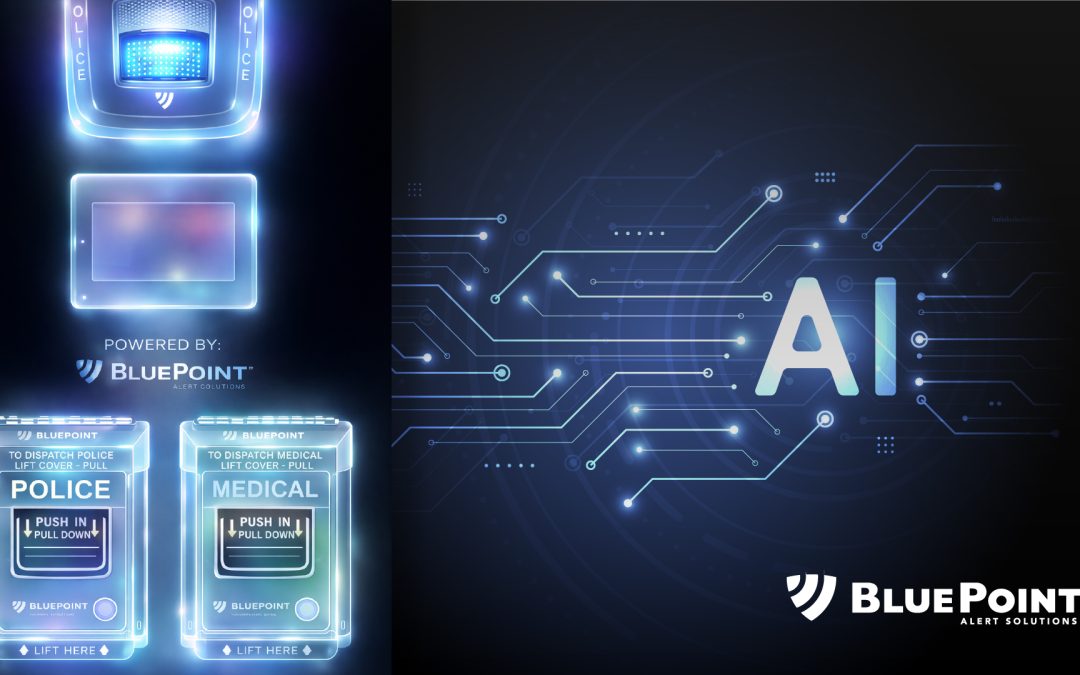
Artificial intelligence is rapidly reshaping how organizations prepare for and respond to emergencies. From predictive analytics and real-time data processing to automated decision support, AI is helping safety leaders move faster, act smarter, and reduce the chaos that often defines critical incidents. But as AI-driven tools become more common, a critical gap is emerging: technology alone cannot save lives without a unified command-and-control platform and the physical infrastructure to execute decisions instantly.
AI Is Accelerating the “Sense and Decide” Phase
AI excels at ingesting massive amounts of data and turning it into actionable insights. In emergency response scenarios, this means:
- Identifying threats sooner through data patterns and alerts
- Prioritizing actions based on severity and location
- Reducing human error during high-stress situations
- Supporting faster, more informed decision-making
AI can help answer the question, “What’s happening right now?” But awareness is only the first step.
Response Speed Still Depends on Command and Control
Knowing an emergency is unfolding is meaningless if your organization can’t act immediately. This is where many AI-only or software-only solutions fall short. Without a centralized command-and-control platform like BluePoint’s C2 platform, AI insights remain fragmented—spread across emails, texts, dashboards, and disconnected systems.
BluePoint Alert was built to close this gap. Our platform doesn’t just analyze and notify; it orchestrates response. With a single interface, leaders can activate alerts, coordinate teams, and manage incidents in real time.
Hardware Matters When Seconds Count
True emergency response isn’t only digital. When power, networks, or primary systems fail, physical infrastructure becomes the difference between action and silence.
BluePoint Alert’s Compact Response Units (CRUs) ensure that AI-driven decisions translate into immediate, on-site response. CRUs provide:
- Redundant, always-on activation points
- Direct control of alerts, signage, and integrations
- Faster response even when primary systems are compromised
AI may tell you what to do—but without hardware like CRUs, you may not be able to do it fast enough.
The Risk of Relying on AI Without Infrastructure
Organizations that adopt AI tools without a comprehensive emergency management platform face serious risks:
- Delayed response due to disconnected systems
- Confusion over authority and next steps
- Overreliance on cloud-only tools during outages
- Missed opportunities to automate physical response actions
In emergencies, delays of seconds—or even confusion over who is in control—can have life-altering consequences.
AI Is the Future. Integration Is the Difference.
AI will continue to play a growing role in emergency preparedness and response. But the most effective solutions don’t treat AI as a standalone feature—they embed it within a proven command-and-control framework and pair it with resilient hardware.
BluePoint Alert brings command and control, and physical response together into one scalable platform—ensuring that when an emergency happens, insight becomes action without hesitation.
Because in a real crisis, intelligence is only valuable if you can act on it immediately.