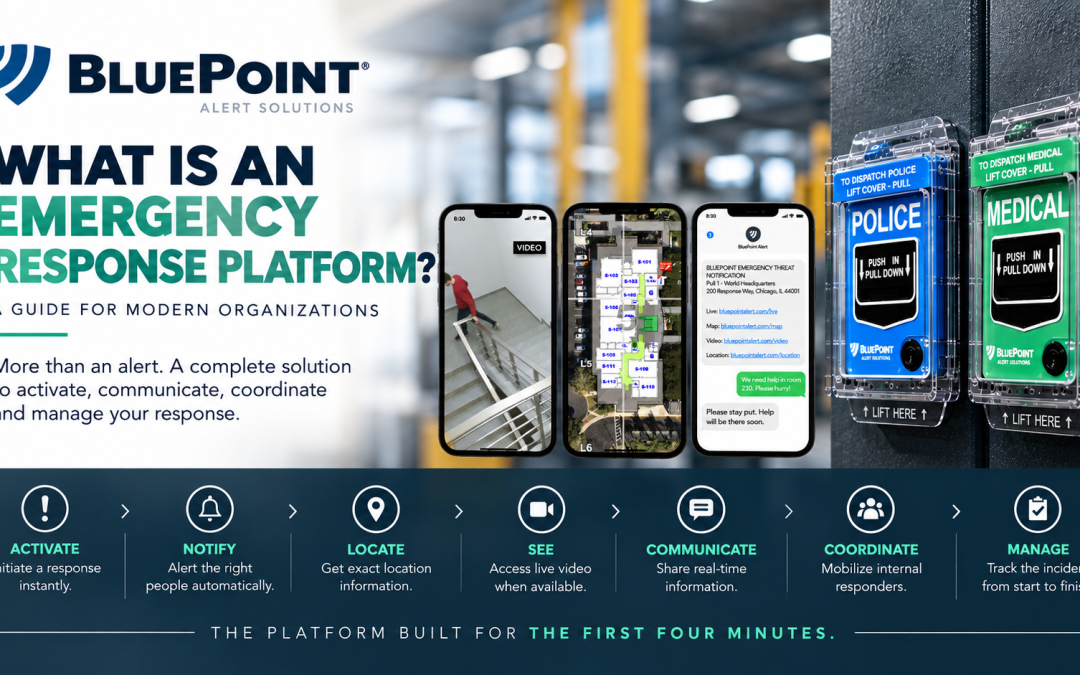
When an emergency happens, sending an alert is only the beginning. Organizations also need to know what happened, where it happened, who needs to respond, and what actions need to happen next. That is the role of an emergency response platform. Unlike traditional...
Most workplaces understand the importance of having an AED. It’s mounted on the wall. Employees know where it is. Someone checks the battery and pads. Maybe a handful of employees have even been trained to use it. But during a cardiac emergency, having an AED...
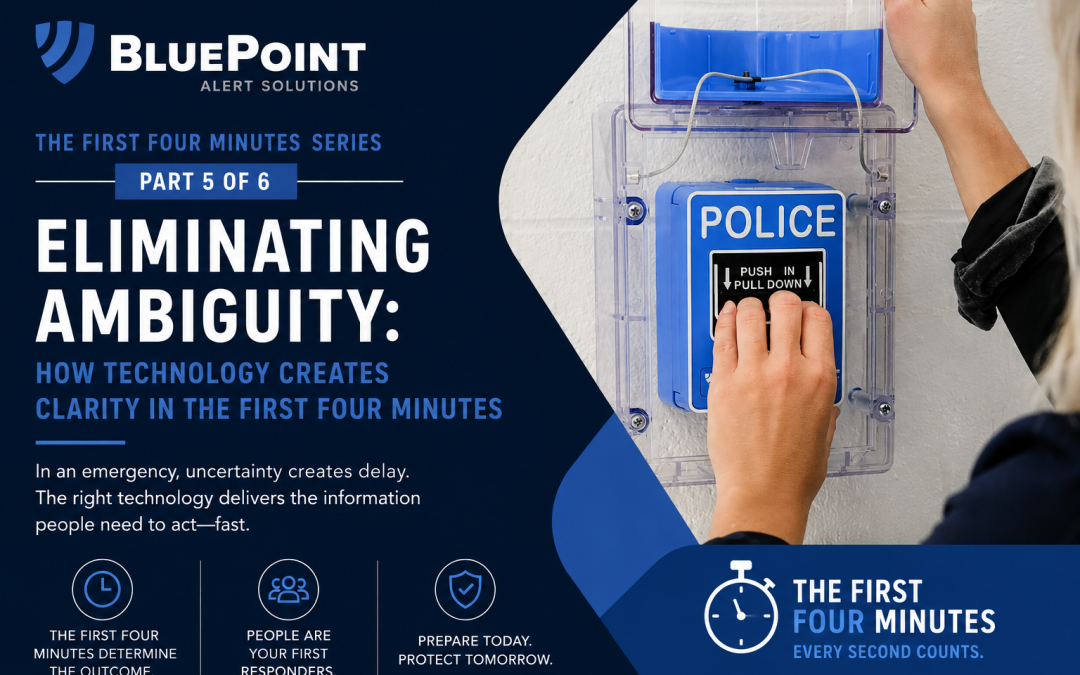
In an emergency, one of the greatest threats isn’t always a lack of information. It’s uncertainty. What happened? Where did it happen? Who has been notified? Is someone already responding? Should I evacuate, shelter in place, provide medical assistance, or...
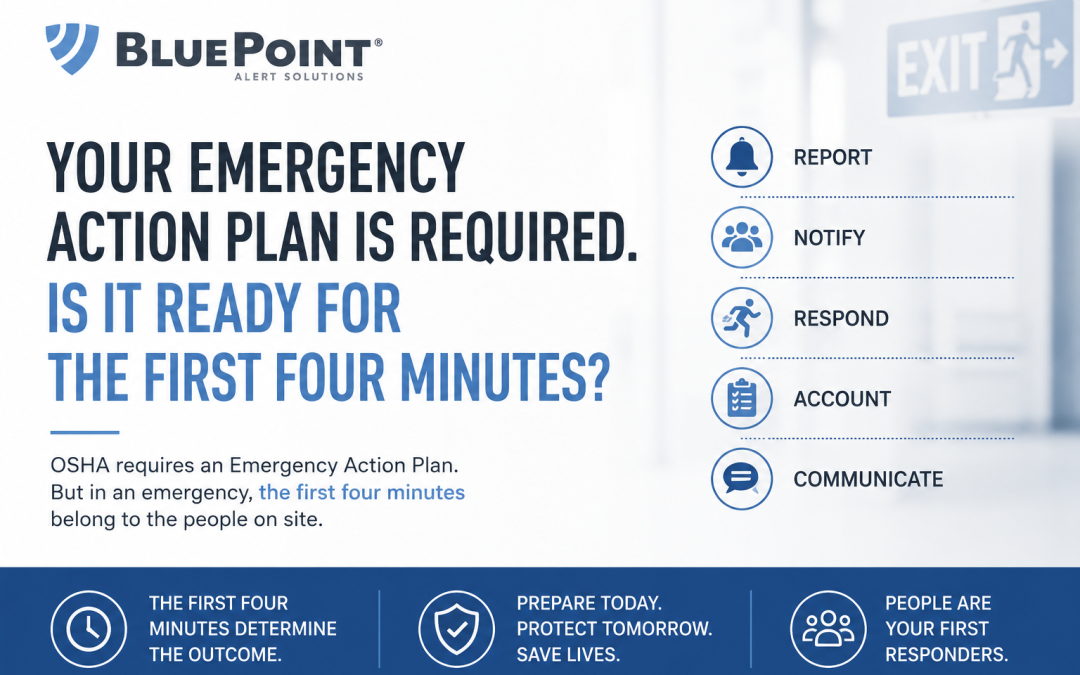
Every organization hopes an emergency never happens. But hope is not a strategy. That’s why the Occupational Safety and Health Administration (OSHA) requires many employers to establish an Emergency Action Plan (EAP). An effective EAP provides the framework...
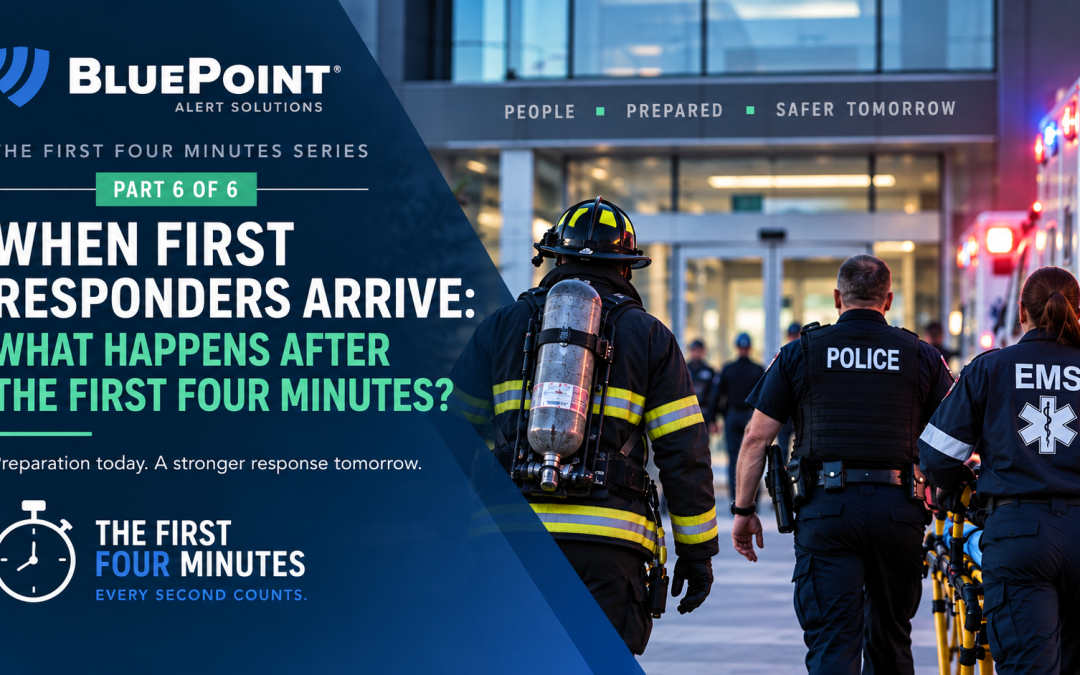
In any emergency, the first four minutes are often the most critical. Whether it’s a cardiac arrest, severe allergic reaction, workplace injury, overdose, active threat, or campus-wide medical emergency, outcomes are determined long before outside responders arrive....